
THE GREAT HUNGER
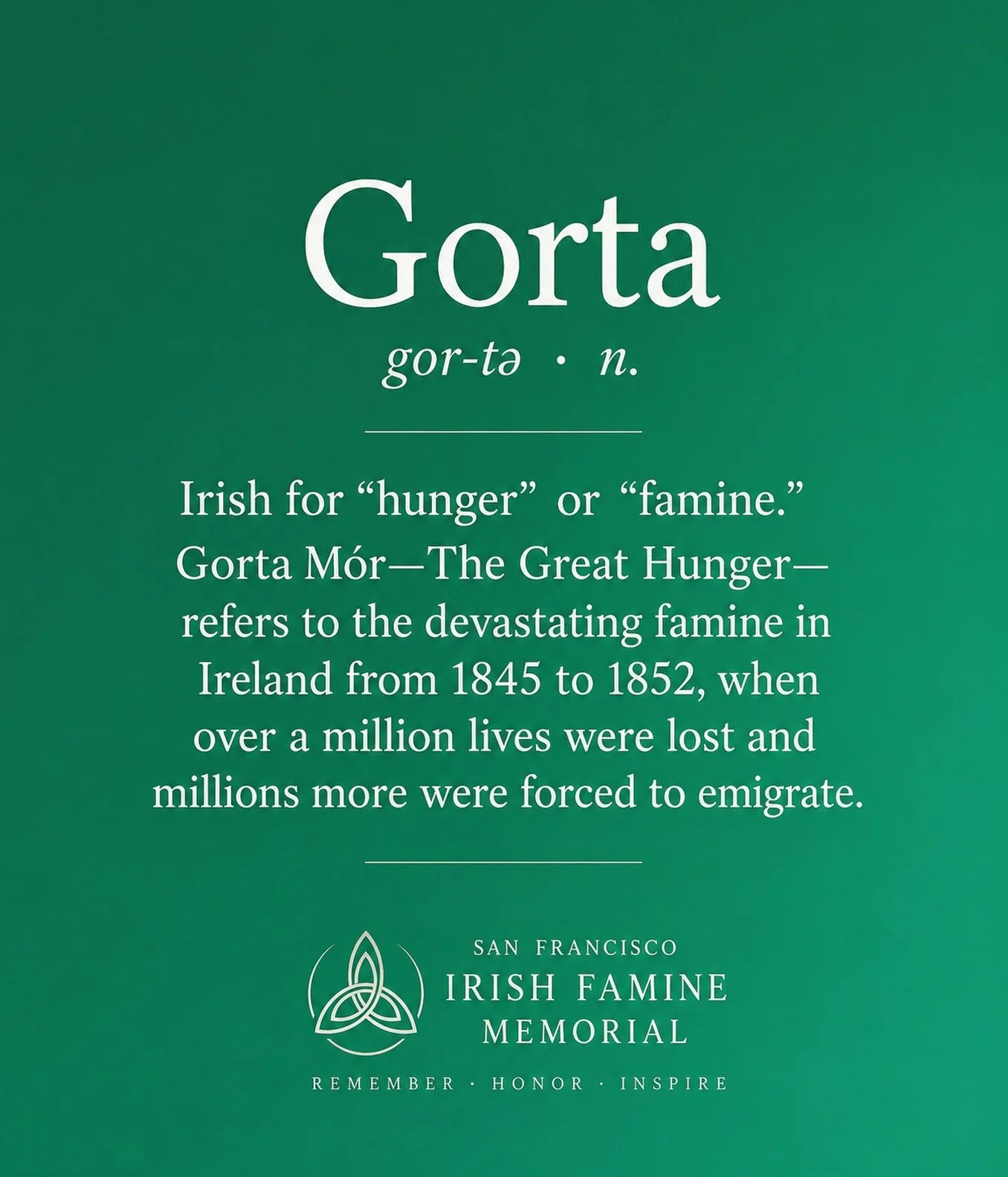
Between 1845 and 1852, successive failures of the potato crop and the wholly inadequate government response led to the death of roughly one million people from starvation and disease and forced another two million to emigrate. An Gorta Mór — the Great Hunger — devastated families, emptied villages, and permanently changed Ireland.
FROM IRELAND TO SAN FRANCISCO
For many Irish, emigration was an act of survival. Many found refuge in the United States, and some eventually made their way to California. Irish immigrants went on to play an important role in building and shaping San Francisco — working on its docks and construction sites, teaching in its schools, providing healthcare and social services, organizing unions, founding churches and schools, and contributing to civic life.
WHY THIS MEMORIAL
The San Francisco Irish Famine Memorial will honor both sides of this story: the tragedy of An Gorta Mór and the resilience of those who survived and built new lives in America.
As former Consul General Micheál Smith said, the memorial is “not only a reminder of an unprecedented tragedy for Ireland but a monument of gratitude for the City of San Francisco and the State of California, who welcomed Irish people and connected them with opportunity upon their arrival.”
A PLACE OF REMEMBRANCE AT LINCOLN PARK
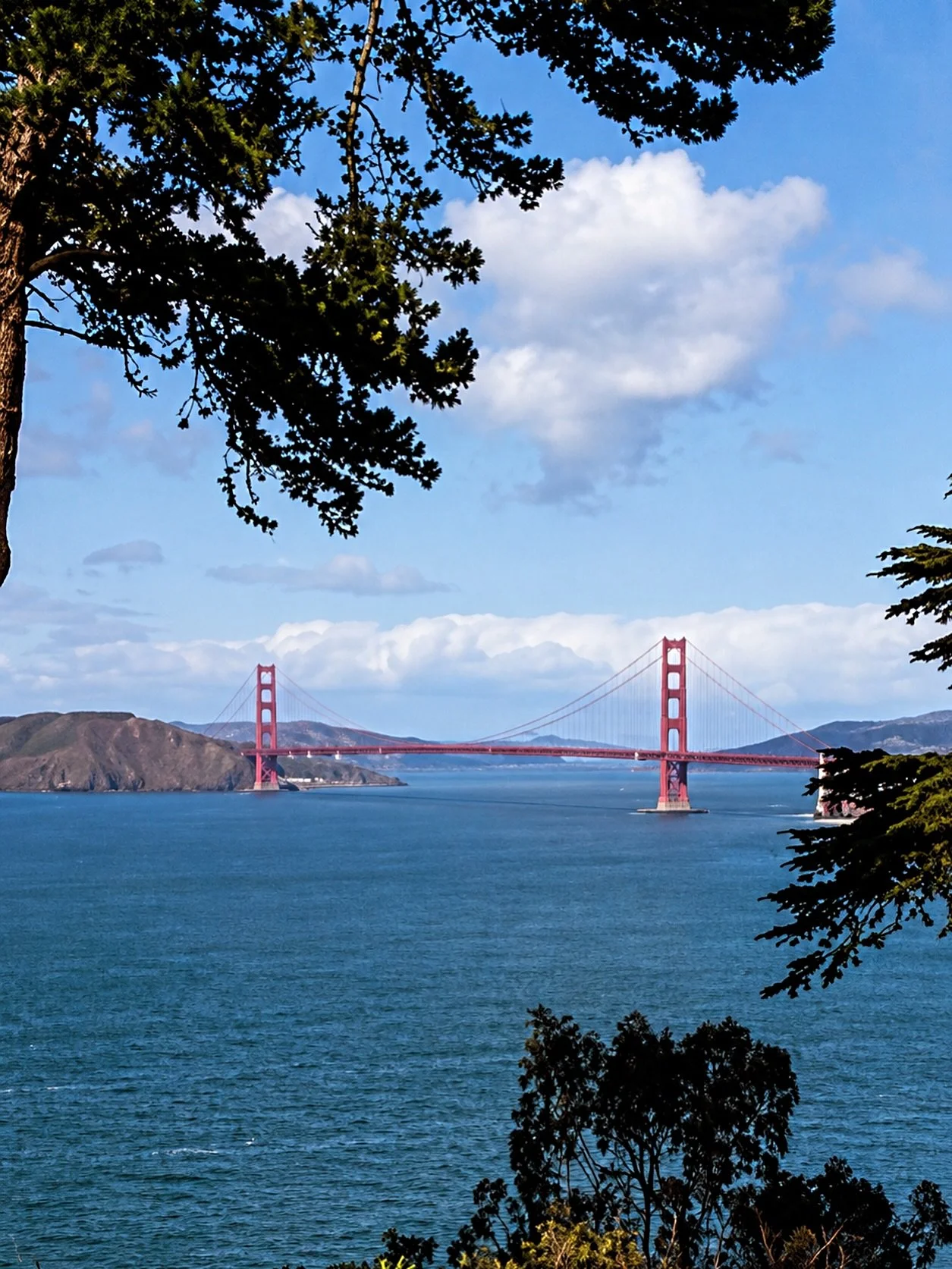
Overlooking the Golden Gate, the Lincoln Park site connects the story of departure from Ireland with a new beginning at the edge of the Pacific. The memorial will create a permanent place for descendants to honor their ancestors, for students to learn, and for future generations to reflect on the intertwined stories of migration, hardship, resilience, and hope.
HELP US BUILD THE MEMORIAL
After more than a decade of planning, design, engineering, community engagement, and City approvals, the project is moving toward its next major step: construction.
Your support can help turn this vision into a permanent place of remembrance in San Francisco.
Instagram feed: